Kinds & Bloodlines
Kinds
The Splinterlands are divided into eleven kinds of creatures:
- Beastborn: humanoid animals.
- Colossals: enormous humanoids.
- Demifolk: diminutive humanoids.
- Draconics: large, powerful saurian-like creatures and those related to them.
- Extraplanars: creatures native to realms beyond the Material Plane.
- Feyfolk: creatures native to the Fey Plane or Shadow Plane.
- Forged: creatures crafted and given life through artificial means.
- Goblinoids: goblins and goblin-like humanoids.
- Primes: diverse and adaptable humanoids with relatively short lifespans.
- Verdants: sentient flora and fungi.
- Wild: animals, plants, and hybrids, typicaly lacking sapience.
Kinds are further divided into various bloodlines. Bloodlines of sentient kinds are divided into races and types, each representing distinct ancestral lineages and adaptations. Bloodlines of forged are divided solely into types. And the bloodlines of wild are divided into species.
Scholars believe these distinctions arose through cumulative inherited changes over time, shaped by environment, magic, and culture. Just as a mountain goat can bound effortless up the sheer cliffs of the Jagtooth Mountains, so too can a wild elf soundlessly traverse the forests of the Broken Lands' Northwest Lowlands without leaving a trace, while a dark dwarf's magic is drawn from their ancestry.
Transformed
Transformations are profound alterations that fundamentally change one's nature. Subsequently, they are considered distinct from the eleven kinds found in the Splinterlands and are classified separately.
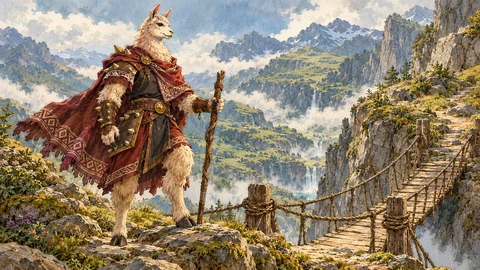 BeastbornBeastborn are humanoid animals.
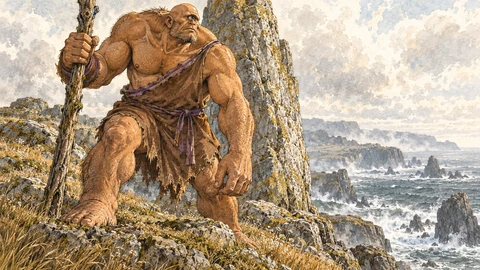 ColossalsColossals are enormous humanoids.
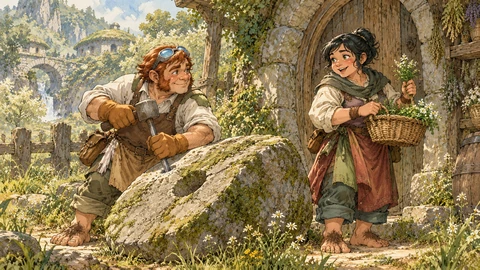 DemifolkDemifolk are diminutive humanoids.
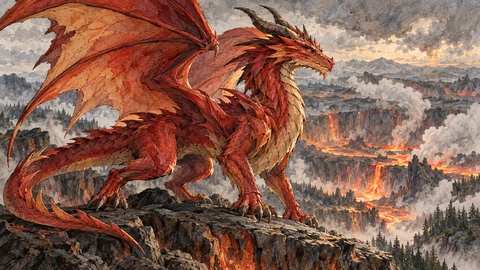 DraconicsDraconics are large, powerful saurian-like creatures and those related to them.
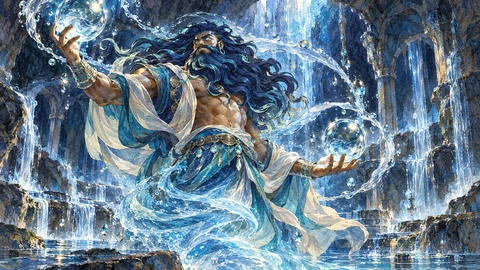 ExtraplanarsExtraplanars are creatures native to realms beyond the inner planes.
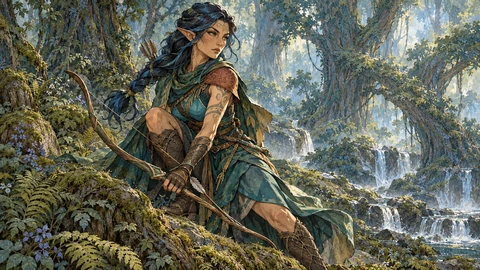 FeyfolkFeyfolk are creatures native to the Fey Plane or Shadow Plane.
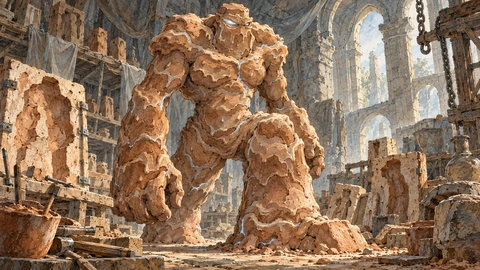 ForgedForged are creatures crafted and given life through artificial means.
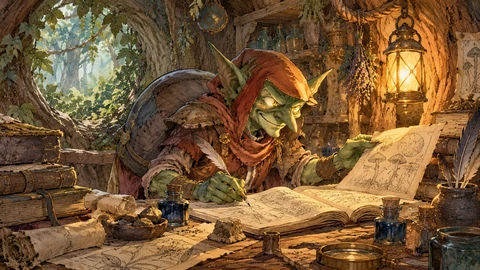 GoblinoidsGoblinoids are goblins and goblin-like humanoids.
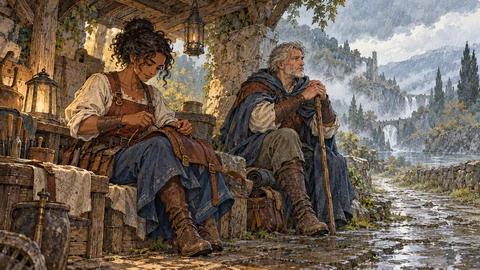 PrimesPrimes are diverse and adaptable humanoids with relatively short lifespans.
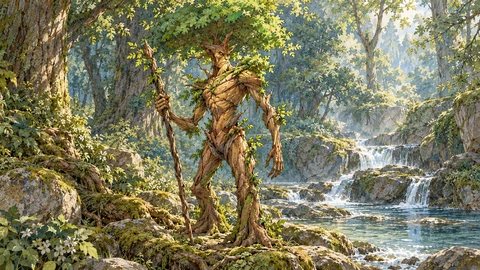 VerdantsVerdants are sentient flora and fungi.
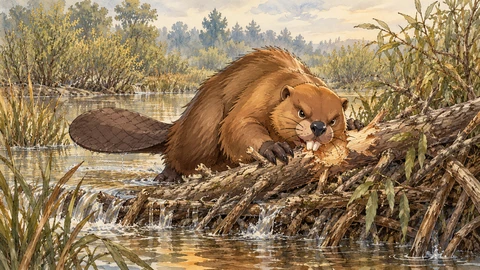 WildWild are animals, plants, and hybrids, typicaly lacking sapience.
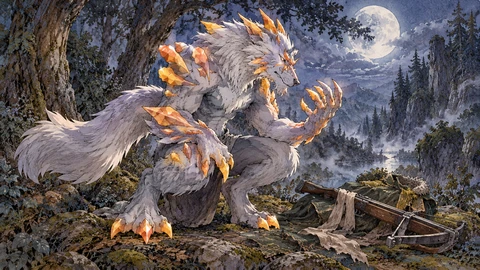 TransformedThe transformed kind have undergone profound alterations that fundamentally change their nature. Subsequently, they are considered distinct from the eleven kinds found in the…